The Long Valley

The Long Valley

John Steinbeck

Literature & Fiction

This classic collection of short stories serves as the ideal introduction to Steinbeck's work. Set in the idyllic Salinas Valley in California, where simple people farm the land and struggle to find a place for themeselves in the world, these stories reflect many of the concerns key to Steinbeck as a writer; the tensions between town and city, labourers and owners, past and present. Included here are the celebrated tales, THE MURDERER and THE CHRYSANTHEMUMS.
Read online
  • 712
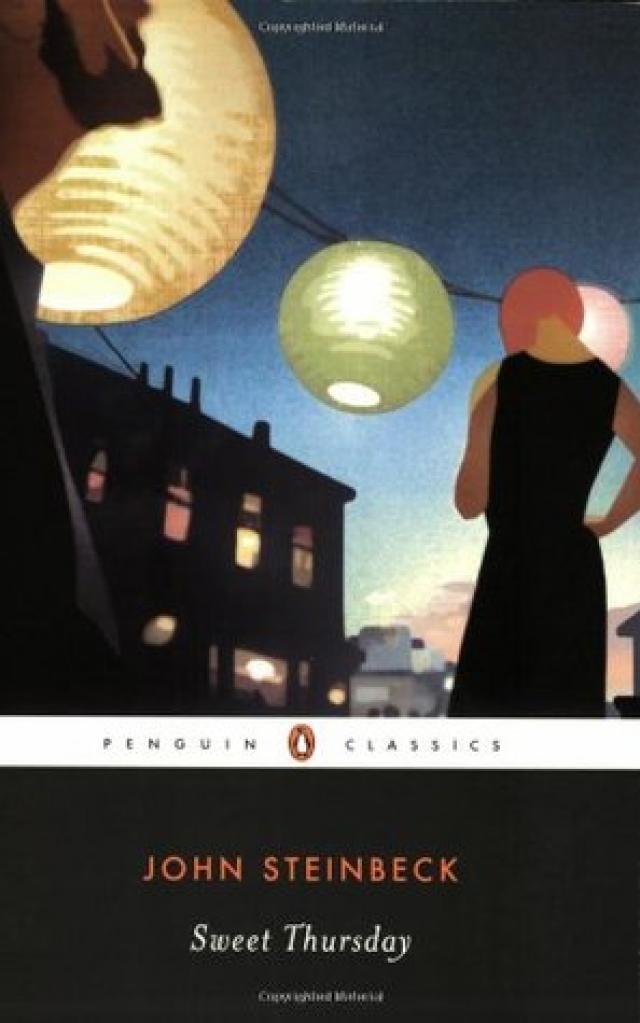
Sweet Thursday

Sweet Thursday

John Steinbeck

Literature & Fiction

In Monterey, on the California coast, Sweet Thursday is what they call the day after Lousy Wednesday, which is one of those days that are just naturally bad. Returning to the scene of *Cannery Row*, the weedy lots and junk heaps and flophouses of Monterey, John Steinbeck once more brings to life the denizens of a netherworld of laughter and tears from Fauna, new headmistress of the local brothel, to Hazel, a bum whose mother must have wanted a daughter.
Read online
  • 555
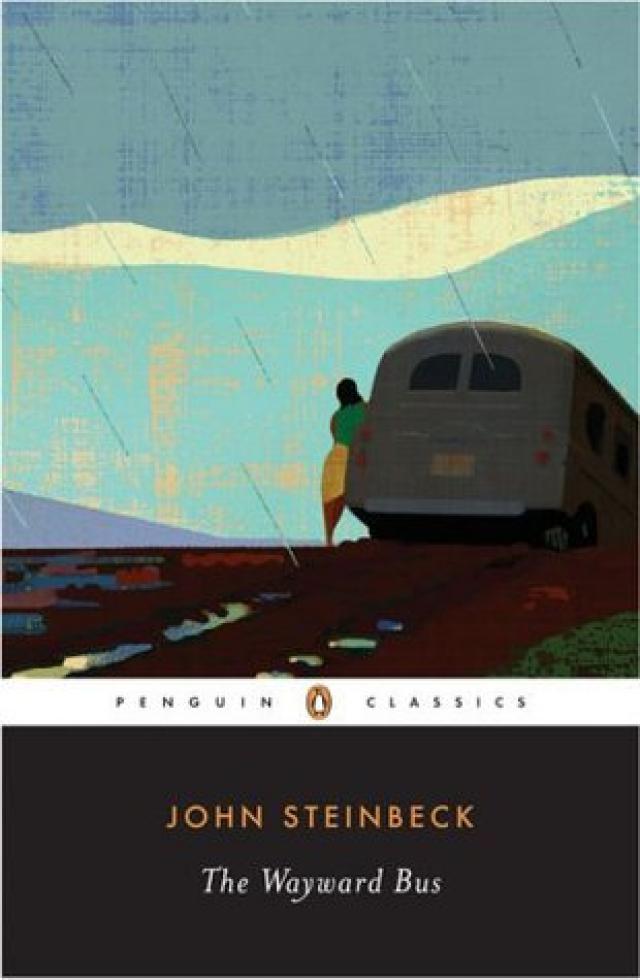
The Wayward Bus

The Wayward Bus

John Steinbeck

Literature & Fiction

In his first novel to follow the publication of his enormous success, **The Grapes of Wrath***, *Steinbeck’s vision comes wonderfully to life in this imaginative and unsentimental chronicle of a bus traveling California’s back roads, transporting the lost and the lonely, the good and the greedy, the stupid and the scheming, the beautiful and the vicious away from their shattered dreams and, possibly, toward the promise of the future. This edition features an introduction by Gary Scharnhorst. For more than seventy years, Penguin has been the leading publisher of classic literature in the English-speaking world. With more than 1,700 titles, Penguin Classics represents a global bookshelf of the best works throughout history and across genres and disciplines. Readers trust the series to provide authoritative texts enhanced by introductions and notes by distinguished scholars and contemporary authors, as well as up-to-date translations by award-winning translators.
Read online
  • 481
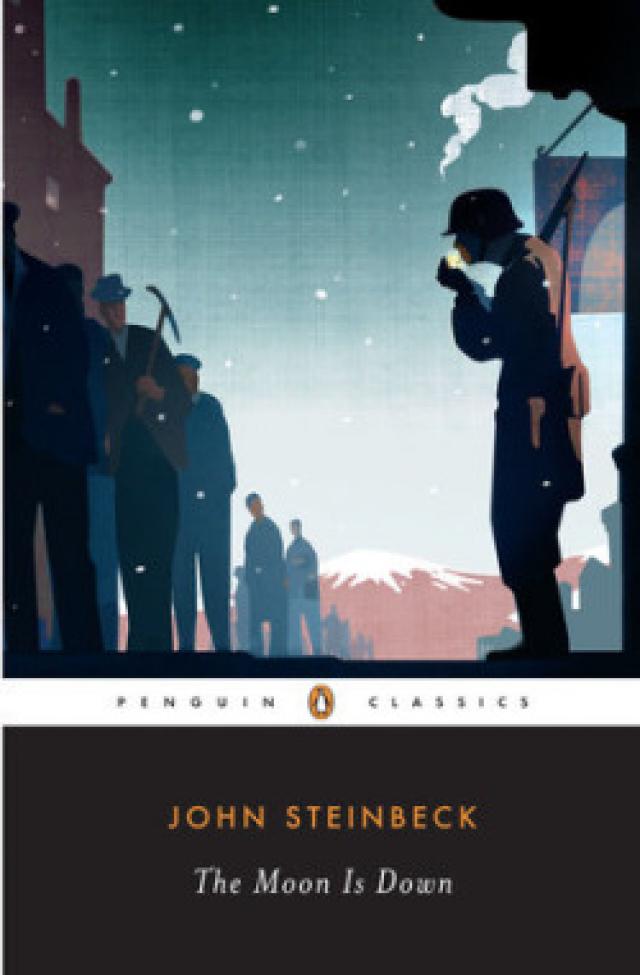
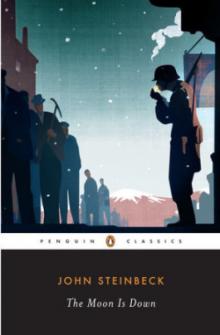
The Moon Is Down

The Moon Is Down

John Steinbeck

Literature & Fiction

** *Originally published at the zenith of Nazi Germany's power, Steinbeck's masterful fable explores the effects of invasion on conquered and conquerors alike.* ** Occupied by enemy troops, a small, peaceable town comes to face-to-face with evil imposed from the outside--and betrayal born within the close-knit community. As he delves into the motivations and emotions of the enemy commander and the quisling traitor, Steinbeck uncovers profound, often unsettling truths about war--and about human nature. Steinbeck's self-described "celebration of the durability of democracy" had an extraordinary impact as Allied propaganda in Nazi-occupied Europe. Despite Axis efforts to suppress it (in Fascist Italy, mere possession of a copy of the book was punishable by death), *The Moon Is Down* was secretly translated into French, Norwegian, Danish, Dutch, Swedish, German, Italian, and Russian; hundreds of thousands of copies circulated throughout Europe, making it by far the most popular piece of propaganda under occupation. Few literary works of our time have demonstrated so triumphantly the power of ideas in the face of cold steel and brute force.
Read online
  • 397
Working Days

Working Days

John Steinbeck

Literature & Fiction

John Steinbeck wrote The Grapes of Wrath during an astonishing burst of activity between June and October of 1938. Throughout the time he was creating his greatest work, Steinbeck faithfully kept a journal revealing his arduous journey toward its completion.The journal, like the novel it chronicles, tells a tale of dramatic proportions—of dogged determination and inspiration, yet also of paranoia, self-doubt, and obstacles. It records in intimate detail the conception and genesis of The Grapes of Wrath and its huge though controversial success. It is a unique and penetrating portrait of an emblematic American writer creating an essential American masterpiece.
Read online
  • 64
The Wayward Bus

The Wayward Bus

John Steinbeck

Literature & Fiction

In his first novel to follow the publication of his enormous success, The Grapes of Wrath, Steinbeck’s vision comes wonderfully to life in this imaginative and unsentimental chronicle of a bus traveling California’s back roads, transporting the lost and the lonely, the good and the greedy, the stupid and the scheming, the beautiful and the vicious away from their shattered dreams and, possibly, toward the promise of the future. This edition features an introduction by Gary Scharnhorst.**
Read online
  • 59
Cup of Gold

Cup of Gold

John Steinbeck

Literature & Fiction

A STANDOUT in the Steinbeck canon, Cup of Gold is edgy and adventurous, brash and distrustful of society, and sure to add a new dimension to the common perception of this all-American writer. Steinbeck's first novel and sole work of historical fiction contains themes that resonate throughout the author's prodigious body of work. From the mid-1650s through the 1660s, Henry Morgan, a pirate and outlaw of legendary viciousness, ruled the Spanish Main. He ravaged the coasts of Cuba and America, striking terror wherever he went. And he had two driving ambitions: to possess the beautiful woman called La Santa Roja, and to conquer Panama, the "cup of gold."
Read online
  • 58
America and Americans and Selected Nonfiction

America and Americans and Selected Nonfiction

John Steinbeck

Literature & Fiction

More than four decades after his death, John Steinbeck remains one of the nation's most beloved authors. Yet few know of his career as a journalist who covered world events from the Great Depression to Vietnam. Now, this distinctive collection offers a portrait of the artist as citizen, deeply engaged in the world around him. In addition to the complete text of Steinbeck's last published book, America and Americans, this volume brings together for the first time more than fifty of Steinbeck's finest essays and journalistic pieces on Salinas, Sag Harbor, Arthur Miller, Woody Guthrie, the Vietnam War and more. This edition is edited by Steinbeck scholar Susan Shillinglaw and Steinbeck biographer Jackson J. Benson.**
Read online
  • 37
Journal of a Novel

Journal of a Novel

John Steinbeck

Literature & Fiction

Each working day from January 29 to November 1, 1951, John Steinbeck warmed up to the work of writing East of Eden with a letter to the late Pascal Covici, his friend and editor at The Viking Press. It was his way, he said, of "getting my mental arm in shape to pitch a good game."Steinbeck's letters were written on the left-hand pages of a notebook in which the facing pages would be filled with the test of East of Eden. They touched on many subjects-story arguments, trial flights of worknamship, concern for his sons.Part autobiography, part writer's workshop, these letters offer an illuminating perspective on Steinbeck's creative process, and a fascinating glimpse of Steinbeck, the private man.
Read online
  • 27
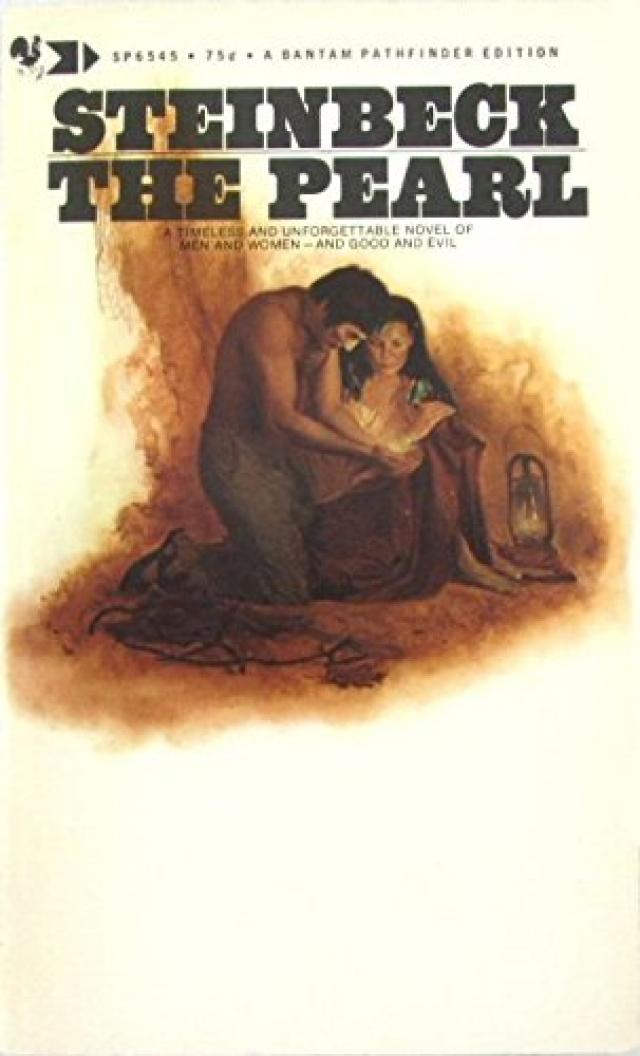
Pearl

Pearl

John Steinbeck

Literature & Fiction

"In the town they tell the story of the great pearl – how it was found and how it was lost again. They tell of Kino, the fisherman, and of his wife, Juana, and of the baby, Coyotito. And because the story has been told so often, it has taken root in every man's mind. And, as with all retold tales that are in people's hearts, there are only good and bad things and black and white things and good and evil things and no in-between anywhere. If this story is a parable, perhaps everyone takes his own meaning from it and reads his own life into it. In any case, they say in the town that…"
Read online
  • 8
183