Ancient Evenings

Ancient Evenings

Norman Mailer

Nonfiction / Fiction / Poetry

Norman Mailer’s dazzlingly rich, deeply evocative novel of ancient Egypt breathes life into the figures of a lost era: the eighteenth-dynasty Pharaoh Rameses and his wife, Queen Nefertiti; Menenhetet, their creature, lover, and victim; and the gods and mortals that surround them in intimate and telepathic communion. Mailer’s reincarnated protagonist is carried through the exquisite gardens of the royal harem, along the majestic flow of the Nile, and into the terrifying clash of battle. An extraordinary work of inventiveness, Ancient Evenings lives on in the mind long after the last page has been turned. Praise for Ancient Evenings  * “Astounding, beautifully written . . . a leap of imagination that crosses three millennia to Pharaonic Egypt.”—USA Today “Mailer makes a miraculous present out of age-deep memories, bringing to life the rhythms, the images, the sensuousness of a lost time.”—The New York Times  * “Mailer’s Egypt is a haunting and magical place. . . . The reader wallows in the scope, depth, the sheer magnitude and—yes—the fertility of his imagination.”—The Washington Post Book World   “An enormous pyramid of a novel [reminiscent of] Thomas Pynchon’s Gravity’s Rainbow and Carlos Fuentes’s Terra Nostra*.”—Los Angeles Herald Examiner  * Praise for Norman Mailer   “[Norman Mailer] loomed over American letters longer and larger than any other writer of his generation.”—The New York Times “A writer of the greatest and most reckless talent.”—The New Yorker “Mailer is indispensable, an American treasure.”—The Washington Post “A devastatingly alive and original creative mind.”—Life “Mailer is fierce, courageous, and reckless and nearly everything he writes has sections of headlong brilliance.”—The New York Review of Books “The largest mind and imagination [in modern] American literature . . . Unlike just about every American writer since Henry James, Mailer has managed to grow and become richer in wisdom with each new book.”—Chicago Tribune “Mailer is a master of his craft. His language carries you through the story like a leaf on a stream.”—The Cincinnati Post**
Read online
  • 2 159
The Gospel According to the Son

The Gospel According to the Son

Norman Mailer

Nonfiction / Fiction / Poetry

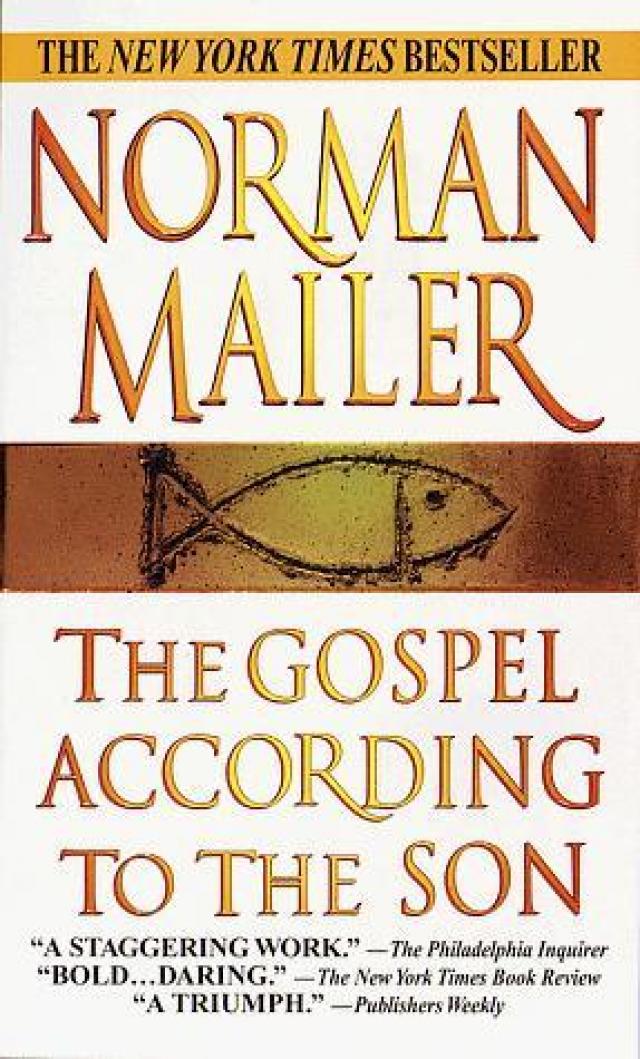
Norman Mailer fused fact and fiction to create indelible portraits of such figures as Marilyn Monroe, Gary Gilmore, and Lee Harvey Oswald. In The Gospel According to the Son, Mailer reimagines, as no other modern author has, the key character of Western history. Here is Jesus Christ’s story in his own words: the discovery of his divinity and the painful, powerful journey to accepting and expressing it, “as if I were a man enclosing another man within.” In its brevity and piercing simplicity, it may be Mailer’s most accessible, direct, and heartfelt work. Praise for The Gospel According to the Son  * “Quietly penetrating . . . [Norman Mailer’s] gospel is written in a direct, rather relaxed English that yet has an eerie, neo-Biblical dignity.”—John Updike, The New Yorker “A book of considerable intellectual force . . . The writer’s powerful mind works in a specialized way, not by theological argumentation but by telling or retelling a story.”—The New York Review of Books  * “Challenges readers on the religious right and the atheist left with equally rich interpretive tasks.”—The Dallas Morning News “An informed and believable work of fiction . . . of what may have been going through the mind of Jesus during his epic ministry.”—San Francisco Chronicle   Praise for Norman Mailer   “[Norman Mailer] loomed over American letters longer and larger than any other writer of his generation.”—The New York Times “A writer of the greatest and most reckless talent.”—The New Yorker “Mailer is indispensable, an American treasure.”—The Washington Post “A devastatingly alive and original creative mind.”—Life “Mailer is fierce, courageous, and reckless and nearly everything he writes has sections of headlong brilliance.”—The New York Review of Books “The largest mind and imagination [in modern] American literature . . . Unlike just about every American writer since Henry James, Mailer has managed to grow and become richer in wisdom with each new book.”—Chicago Tribune “Mailer is a master of his craft. His language carries you through the story like a leaf on a stream.”—The Cincinnati Post** From the Hardcover edition.
Read online
  • 1 142
Why Are We at War?

Why Are We at War?

Norman Mailer

Nonfiction / Fiction / Poetry

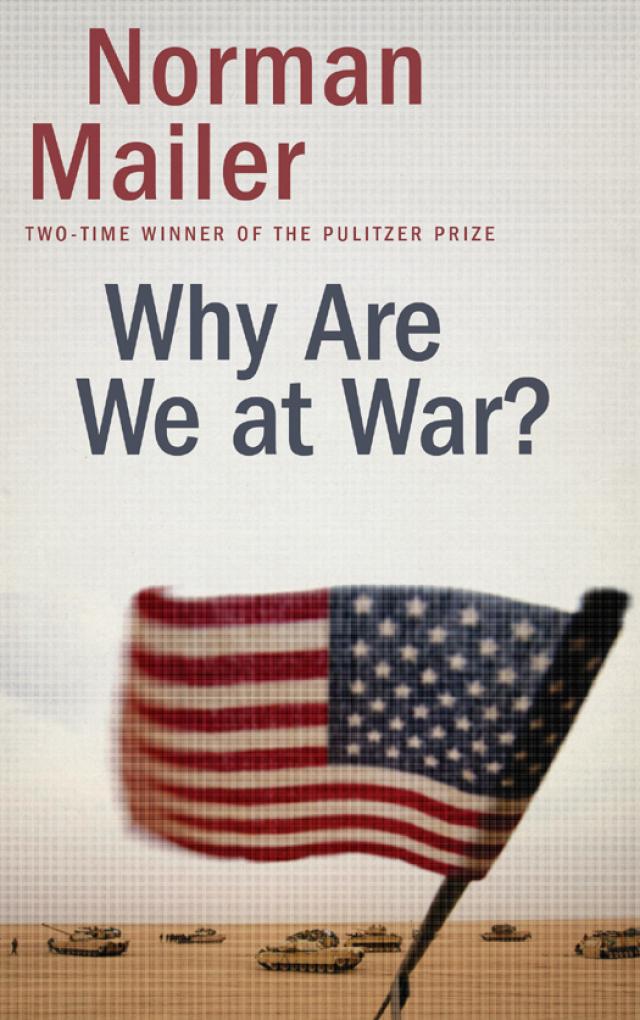
Beginning with his debut masterpiece, The Naked and the Dead, Norman Mailer has repeatedly told the truth about war. Why Are We at War? returns Mailer to the gravity of the battlefield and the grand hubris of the politicians who send soldiers there to die. First published in the early days of the Iraq War, Why Are We at War? is an explosive argument about the American quest for empire that still carries weight today. Scrutinizing the Bush administration’s words and actions, Mailer unleashes his trademark moral rigor: “Because democracy is noble, it is always endangered. . . . To assume blithely that we can export democracy into any country we choose can serve paradoxically to encourage more fascism at home and abroad.” Praise for Why Are We at War? “We’re overloaded with information these days, some of it possibly true. Mailer offers a provocative—and persuasive—cultural and intellectual frame.”—Newsweek   “[Mailer] still has the stamina to churn out hard-hitting criticism.”—Los Angeles Times  * “Penetrating . . . There’s plenty of irreverent wit and fresh thinking on display.”—San Francisco Chronicle   “Eloquent . . . thoughtful . . . Why Are We at War? *pulls no punches.”—Fort Worth Star-Telegram *Praise for Norman Mailer   “[Norman Mailer] loomed over American letters longer and larger than any other writer of his generation.”—The New York Times “A writer of the greatest and most reckless talent.”—The New Yorker “Mailer is indispensable, an American treasure.”—The Washington Post “A devastatingly alive and original creative mind.”—Life “Mailer is fierce, courageous, and reckless and nearly everything he writes has sections of headlong brilliance.”—The New York Review of Books “The largest mind and imagination [in modern] American literature . . . Unlike just about every American writer since Henry James, Mailer has managed to grow and become richer in wisdom with each new book.”—Chicago Tribune “Mailer is a master of his craft. His language carries you through the story like a leaf on a stream.”—*The Cincinnati Post From the Trade Paperback edition.
Read online
  • 1 115
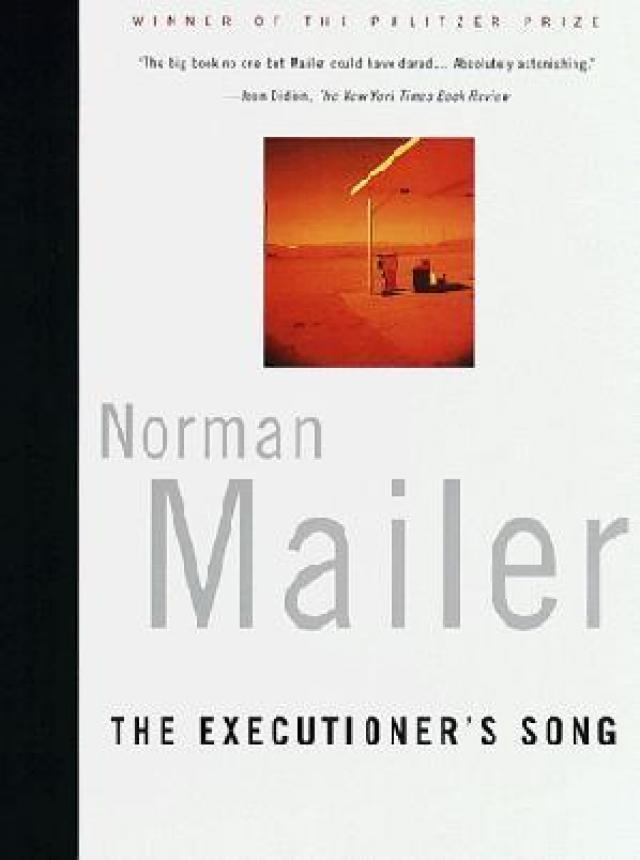
The Executioner's Song

The Executioner's Song

Norman Mailer

Nonfiction / Fiction / Poetry

In what is arguably his greatest book, America's most heroically ambitious writer follows the short, blighted career of Gary Gilmore, an intractably violent product of America's prisons who became notorious for two reasons: first, for robbing two men in 1976, then killing them in cold blood; and, second, after being tried and convicted, for insisting on dying for his crime. To do so, he had to fight a system that seemed paradoxically intent on keeping him alive long after it had sentenced him to death. Norman Mailer tells Gilmore's story--and those of the men and women caught up in his procession toward the firing squad--with implacable authority, steely compassion, and a restraint that evokes the parched landscapes and stern theology of Gilmore's Utah. The Executioner's Song is a trip down the wrong side of the tracks to the deepest sources of American loneliness and violence. It is a towering achievement--impossible to put down, impossible to forget. Winner of the 1980 Pulitzer Prize
Read online
  • 1 077
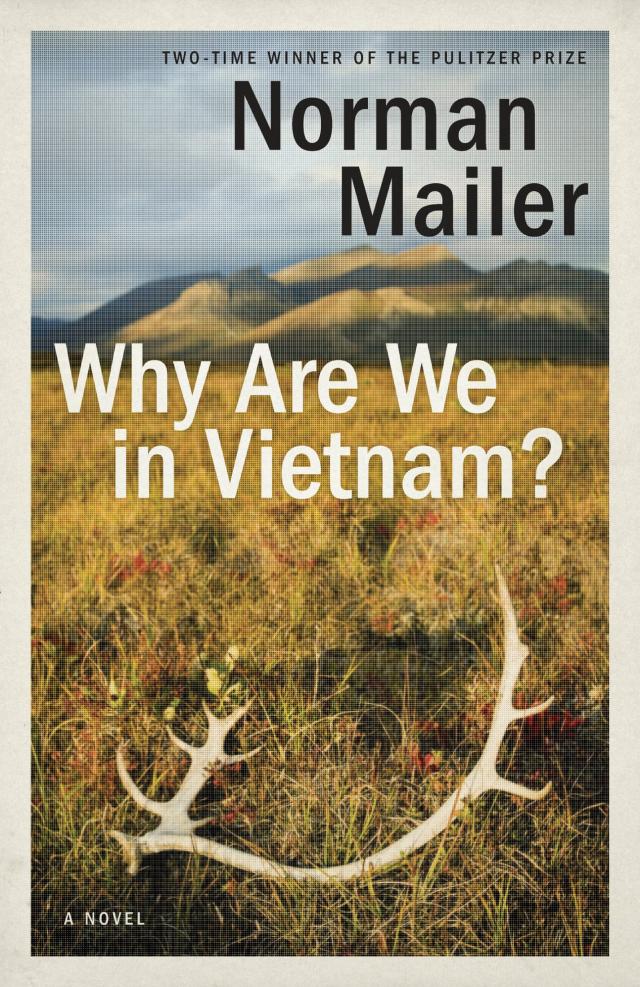
Why Are We in Vietnam?

Why Are We in Vietnam?

Norman Mailer

Nonfiction / Fiction / Poetry

When Why Are We in Vietnam? was published in 1967, almost twenty years after The Naked and the Dead, the critical response was ecstatic. The novel fully confirmed Mailer's stature as one of the most important figures in contemporary American literature. Now, a new edition of this exceptional work serves as further affirmation of its timeless quality. Narrated by Ranald ("D.J.") Jethroe, Texas's most precocious teenager, on the eve of his departure to fight in Vietnam, this story of a hunting trip in Alaska is both brilliantly entertaining and profoundly thoughtful.
Read online
  • 1 051
An American Dream

An American Dream

Norman Mailer

Nonfiction / Fiction / Poetry

Stephen Rojack is a decorated war hero, a former Congressman, and a certified public intellectual with his own television show. He is also married to the very rich, very beautiful, and utterly amoral Deborah Caughlin Kelly. But one night, in the prime of his existence, he hears the moon talking to him on the terrace of a fashionable New York high-rise, and it is urging him to kill himself. It is almost as a defense against that infinitely seductive voice that Rojack murders his wife.In this wild battering ram of a novel, which was originally published to vast controversy in 1965, Norman Mailer creates a character who might be a fictional precursor of the philosopher-killer he would later profile in The Executioner's Song. As Rojack runs amok through the city in which he was once a privileged citizen, Mailer peels away the layers of our social norms to reveal a world of pure appetite and relentless cruelty. Sensual, horrifying, and informed by a vision that is one part Nietzsche, one part de Sade, and one part Charlie Parker, An American Dream grabs the reader by the throat and refuses to let go.
Read online
  • 946
Oswald's Tale: An American Mystery

Oswald's Tale: An American Mystery

Norman Mailer

Nonfiction / Fiction / Poetry

In perhaps his most important literary feat, Norman Mailer fashions an unprecedented portrait of one of the great villains—and enigmas—in United States history. Here is Lee Harvey Oswald—his family background, troubled marriage, controversial journey to Russia, and return to an “America [waiting] for him like an angry relative whose eyes glare in the heat.” Based on KGB and FBI transcripts, government reports, letters and diaries, and Mailer’s own international research, this is an epic account of a man whose cunning, duplicity, and self-invention were both at home in and at odds with the country he forever altered. Praise for Oswald’s Tale  * “America’s largest mystery has found its greatest interpreter.”—The Washington Post Book World “Mailer is fierce, courageous, and reckless and nearly everything he writes has sections of headlong brilliance. . . . From the American master conjurer of dark and swirling purpose, a moving reflection.”—Robert Stone, The New York Review of Books  * “A narrative of tremendous energy and panache; the author at the top of his form.”—Christopher Hitchens, Financial Times  * “The performance of an author relishing the force and reach of his own acuity.”—Martin Amis, The Sunday Times (London)   Praise for Norman Mailer   “[Norman Mailer] loomed over American letters longer and larger than any other writer of his generation.”—The New York Times “A writer of the greatest and most reckless talent.”—The New Yorker “Mailer is indispensable, an American treasure.”—The Washington Post “A devastatingly alive and original creative mind.”—Life “Mailer is fierce, courageous, and reckless and nearly everything he writes has sections of headlong brilliance.”—The New York Review of Books “The largest mind and imagination [in modern] American literature . . . Unlike just about every American writer since Henry James, Mailer has managed to grow and become richer in wisdom with each new book.”—Chicago Tribune “Mailer is a master of his craft. His language carries you through the story like a leaf on a stream.”—*The Cincinnati Post
Read online
  • 914
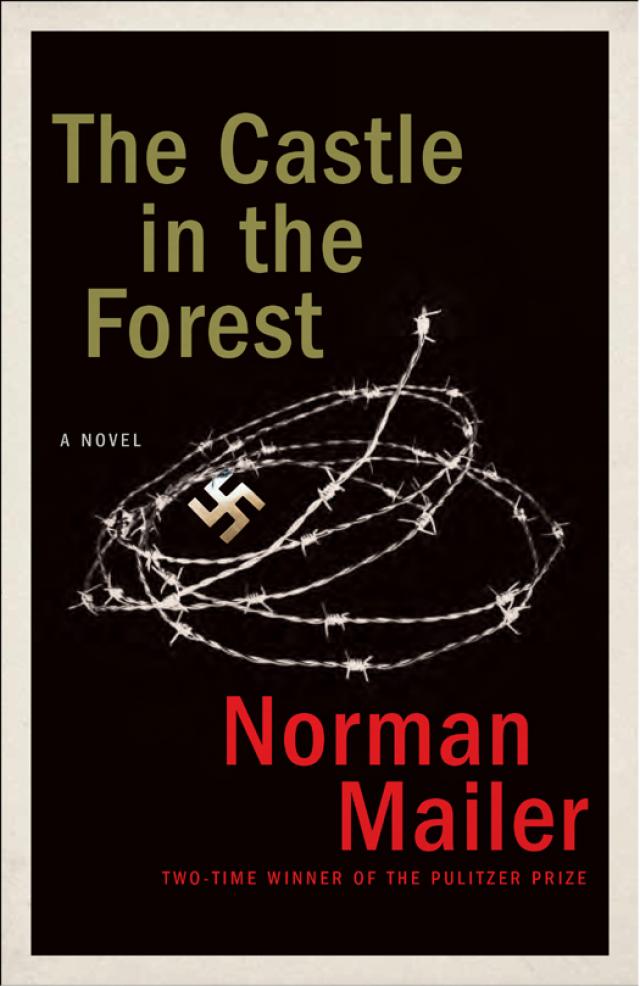
The Castle in the Forest

The Castle in the Forest

Norman Mailer

Nonfiction / Fiction / Poetry

No career in modern American letters is at once so brilliant, varied, and controversial as that of Norman Mailer. In a span of more than six decades, Mailer has searched into subjects ranging from World War II to Ancient Egypt, from the march on the Pentagon to Marilyn Monroe, from Henry Miller and Mohammad Ali to Jesus Christ. Now, in The Castle in the Forest, his first major work of fiction in more than a decade, Mailer offers what may be his consummate literary endeavor: He has set out to explore the evil of Adolf Hitler. The narrator, a mysterious SS man who is later revealed to be an exceptional presence, gives us young Adolf from birth, as well as Hitler’s father and mother, his sisters and brothers, and the intimate details of his childhood and adolescence. A tapestry of unforgettable characters, The Castle in the Forest delivers its playful twists and surprises with astonishing insight into the nature of the struggle between good and evil that exists in us all. At its core is a hypothesis that propels this novel and makes it a work of stunning originality. Now, on the eve of his eighty-fourth birthday, Norman Mailer may well be saying more than he ever has before. From the Hardcover edition.
Read online
  • 886
The Deer Park: A Play

The Deer Park: A Play

Norman Mailer

Nonfiction / Fiction / Poetry

Amid the cactus wilds some two hudred miles from Hollywood lies a privileged oasis called Desert D'Or. It is a place for starlets and would-be starlets, directors, studio execs, and the well-groomed lowlifes who cater to them. And, as imagined by Norman Mailer in this blistering classic of 1950s Hollywood, Desert D'Or is a moral proving ground, where men and women discover what they really want--and how far the are willing to go to get it. "The Deer Park" is the story of two interlacing love affairs. Sergius O'Shaugnessy is a young ex-Air Force pilot whose good looks and air of indifference launch him into the orbit of the radiant actress Lulu Meyers. Charles Eitel is a brilliant director wounded by accusations of communism--and whose liaison with the volatile Elena Esposito may supply the coup de grace to his career. As Mailer traces their couplings and uncouplings, their uneasy flirtation with success and self-extinction, he creates a legendary portrait of America's machinery of desire.
Read online
  • 858
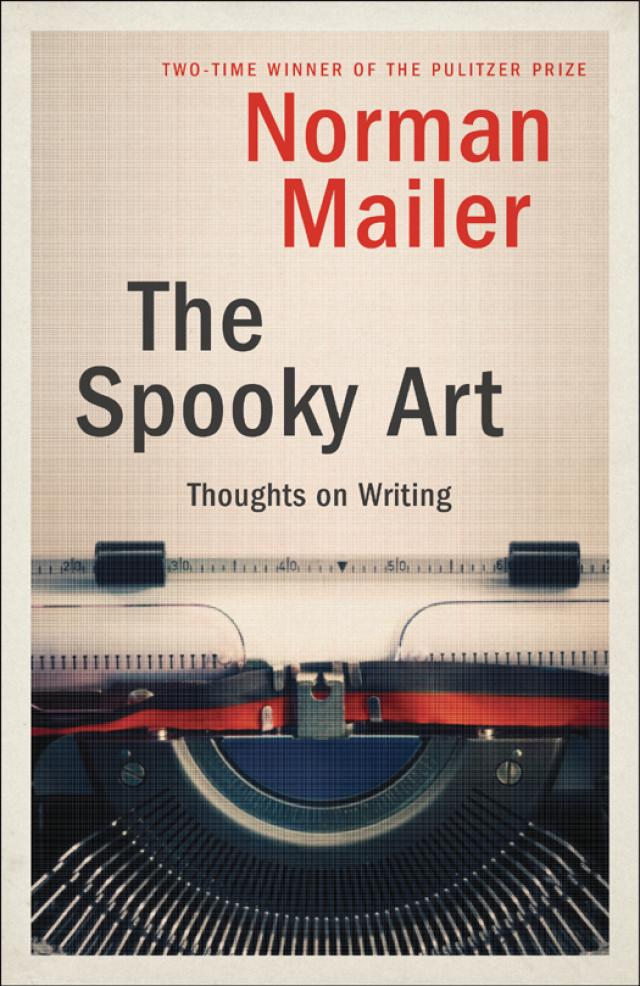
The Spooky Art: Thoughts on Writing

The Spooky Art: Thoughts on Writing

Norman Mailer

Nonfiction / Fiction / Poetry

“Writing is spooky,” according to Norman Mailer. “There is no routine of an office to keep you going, only the blank page each morning, and you never know where your words are coming from, those divine words.” In The Spooky Art, Mailer discusses with signature candor the rewards and trials of the writing life, and recommends the tools to navigate it. Addressing the reader in a conversational tone, he draws on the best of more than fifty years of his own criticism, advice, and detailed observations about the writer’s craft. Praise for The Spooky Art   “The Spooky Art *shows Mailer’s brave willingness to take on demanding forms and daunting issues. . . . He has been a thoughtful and stylish witness to the best and worst of the American century.”—The Boston Globe “At his best—as artists should be judged—Mailer is indispensable, an American treasure. There is enough of his best in this book for it to be welcomed with gratitude.”—The Washington Post   “[The Spooky Art*] should nourish and inform—as well as entertain—almost any serious reader of the novel.”—Baltimore Sun** “The richest book ever written about the writer’s subconscious.”—The Philadelphia Inquirer “Striking . . . entrancingly frank.”—Entertainment Weekly   Praise for Norman Mailer   “[Norman Mailer] loomed over American letters longer and larger than any other writer of his generation.”—The New York Times “A writer of the greatest and most reckless talent.”—The New Yorker “A devastatingly alive and original creative mind.”—Life “Mailer is fierce, courageous, and reckless and nearly everything he writes has sections of headlong brilliance.”—The New York Review of Books “The largest mind and imagination [in modern] American literature . . . Unlike just about every American writer since Henry James, Mailer has managed to grow and become richer in wisdom with each new book.”—Chicago Tribune “Mailer is a master of his craft. His language carries you through the story like a leaf on a stream.”—The Cincinnati Post From the Hardcover edition.
Read online
  • 759
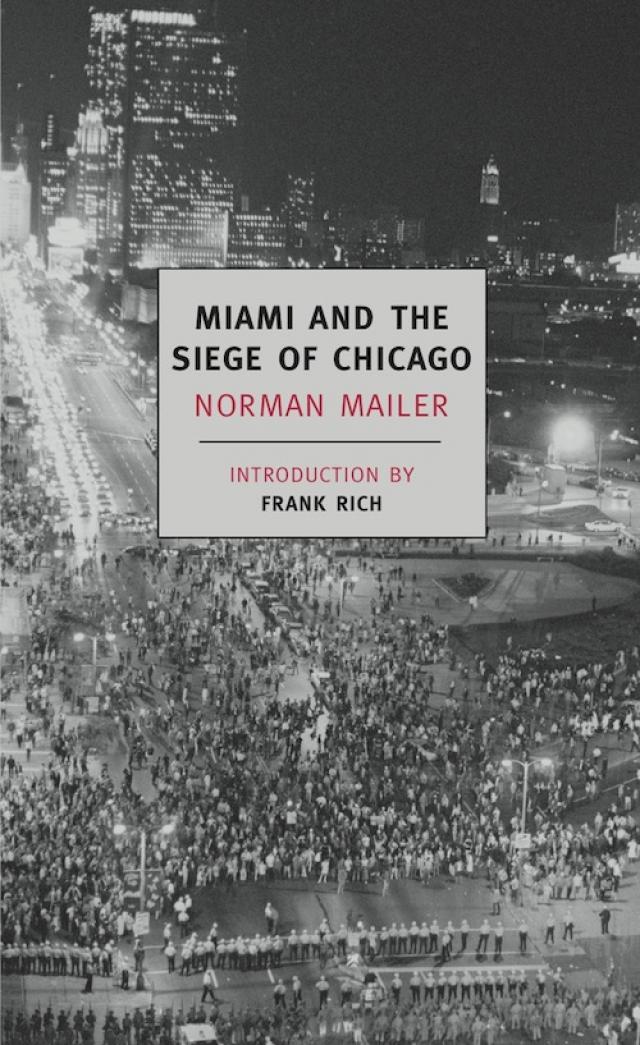
Miami and the Siege of Chicago

Miami and the Siege of Chicago

Norman Mailer

Nonfiction / Fiction / Poetry

The Vietnam War was raging. President Lyndon Johnson, facing a challenge in his own Democratic Party from the maverick antiwar candidate Eugene McCarthy, announced that he would not seek a second term. In April, Martin Luther King Jr. was assassinated and riots broke out in inner cities throughout America. Bobby Kennedy was killed after winning the California primary in June. In August, Republicans met in Miami, picking the little-loved Richard Nixon as their candidate, while in September, Democrats in Chicago backed the ineffectual vice president, Hubert Humphrey. TVs across the country showed antiwar protesters filling the streets of Chicago and the police running amok, beating and arresting demonstrators and delegates alike. In Miami and the Siege of Chicago, Norman Mailer, America’s most protean and provocative writer, brings a novelist’s eye to bear on the events of 1968, a decisive year in modern American politics, from which today’s bitterly divided country arose.
Read online
  • 618
Barbary Shore

Barbary Shore

Norman Mailer

Nonfiction / Fiction / Poetry

Mike Lovett rents a room in a Brooklyn boarding house with the intention of writing a novel. Wounded during World War II, Lovett is an amnesiac, and much of his past is a secret to himself. But Lovett's housemates have secrets of their own. As these mysterious figures vie for Lovett's allegiance, Barbary Shore plays havoc with our certainties, combining Kafkaesque unease with Orwellian paranoia and delivering its effects with a power that Mailer has made all his own.  
Read online
  • 528
The Fight

The Fight

Norman Mailer

Nonfiction / Fiction / Poetry

In 1974 in Kinshasa, Zaïre, two African American boxers were paid five million dollars apiece to fight each other. One was Muhammad Ali, the aging but irrepressible “professor of boxing.” The other was George Foreman, who was as taciturn as Ali was voluble. Observing them was Norman Mailer, a commentator of unparalleled energy, acumen, and audacity. Whether he is analyzing the fighters’ moves, interpreting their characters, or weighing their competing claims on the African and American souls, Mailer’s grasp of the titanic battle’s feints and stratagems—and his sensitivity to their deeper symbolism—makes this book a masterpiece of the literature of sport. Praise for The Fight  * “Exquisitely refined and attenuated . . . [a] sensitive portrait of an extraordinary athlete and man, and a pugilistic drama fully as exciting as the reality on which it is based.”—The New York Times “One of the defining texts of sports journalism. Not only does Mailer recall the violent combat with a scholar’s eye . . . he also makes the whole act of reporting seem as exciting as what’s occurring in the ring.”—GQ* “Stylistically, Mailer was the greatest boxing writer of all time.”—Chuck Klosterman, Esquire “One of Mailer’s finest books.”—Louis Menand, The New Yorker   Praise for Norman Mailer   “[Norman Mailer] loomed over American letters longer and larger than any other writer of his generation.”—The New York Times “A writer of the greatest and most reckless talent.”—The New Yorker “Mailer is indispensable, an American treasure.”—The Washington Post “A devastatingly alive and original creative mind.”—Life “Mailer is fierce, courageous, and reckless and nearly everything he writes has sections of headlong brilliance.”—The New York Review of Books “The largest mind and imagination [in modern] American literature . . . Unlike just about every American writer since Henry James, Mailer has managed to grow and become richer in wisdom with each new book.”—Chicago Tribune “Mailer is a master of his craft. His language carries you through the story like a leaf on a stream.”—The Cincinnati Post**
Read online
  • 473
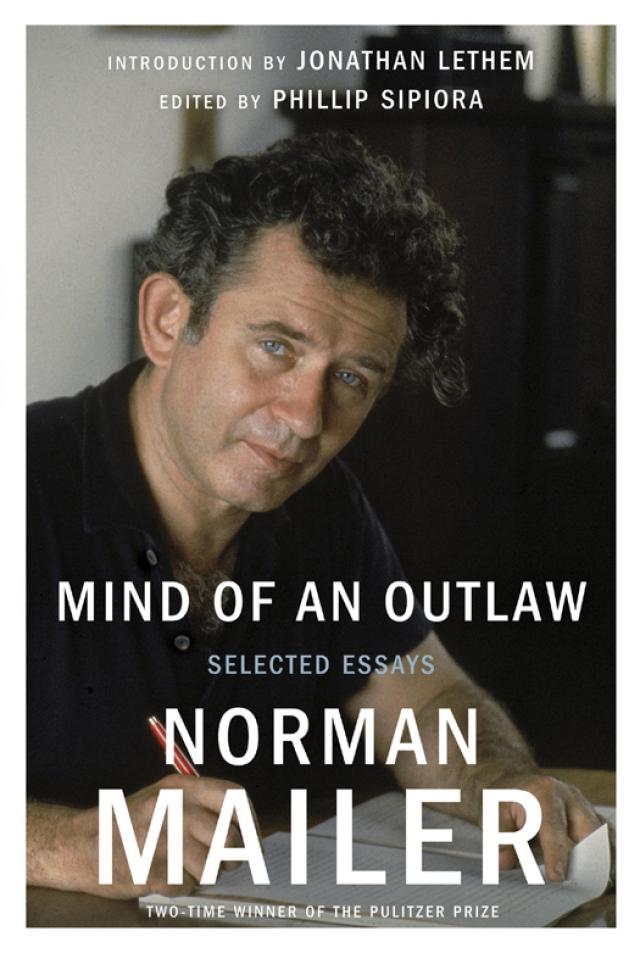
Mind of an Outlaw: Selected Essays

Mind of an Outlaw: Selected Essays

Norman Mailer

Nonfiction / Fiction / Poetry

Norman Mailer was one of the towering figures of twentieth-century American letters and an acknowledged master of the essay. Mind of an Outlaw, the first posthumous publication from this outsize literary icon, collects Mailer's most important and representative work in the form that many rank as his most electrifying. As America's foremost public intellectual, Norman Mailer was a ubiquitous presence in our national life--on the airwaves and in print--for more than sixty years. With his supple mind and pugnacious persona, he engaged society more than any other writer of his generation. The trademark Mailer swagger is much in evidence in these pages as he holds forth on culture, ideology, politics, sex, gender, and celebrity, among other topics. Here is Mailer on boxing, Mailer on Hemingway, Mailer on Marilyn Monroe, and, of course, Mailer on Mailer--the one subject that served as the beating heart of all of his nonfiction. From his early essay "A...
Read online
  • 433
183